

If you’re looking for the best hikes in Denali National Park, we’ve broken down our 7 favorite trails, ranging from easy walks to challenging half-day treks. And although Denali’s massive size (6 million acres to be exact) can feel intimidating, many of its best hikes are located just off the park’s main road. Let’s dive in!
🐻 Stay Bear Aware! Before hiking in Denali National Park, become familiar with bear safety practices, among which include packing away food, making noise, and carrying bear spray for emergency use.
Note: We use affiliate links which provide us a little kickback each time you use one of our links and make a purchase, without any additional cost to you. We do not recommend products that we don’t already love or have heard great things about, so you can trust we’re only suggesting great products to you.
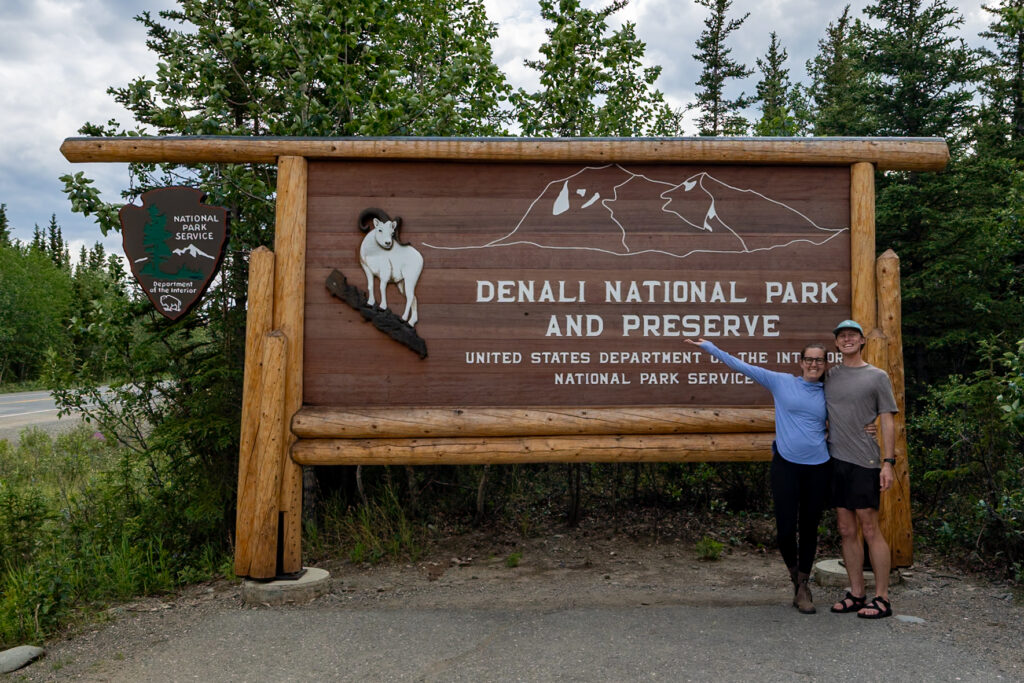
ℹ️ About Hiking in Denali National Park
Stretching across nearly six million acres of rugged Alaskan wilderness, Denali National Park can feel overwhelming at first. Luckily, many of the park’s most accessible trails are located along the first 15 miles of Denali Park Road (see map below), which you can explore using the park’s bus system. This makes it surprisingly easy to reach trailheads without worrying about risking your chances for a parking spot, which is exactly what we did.
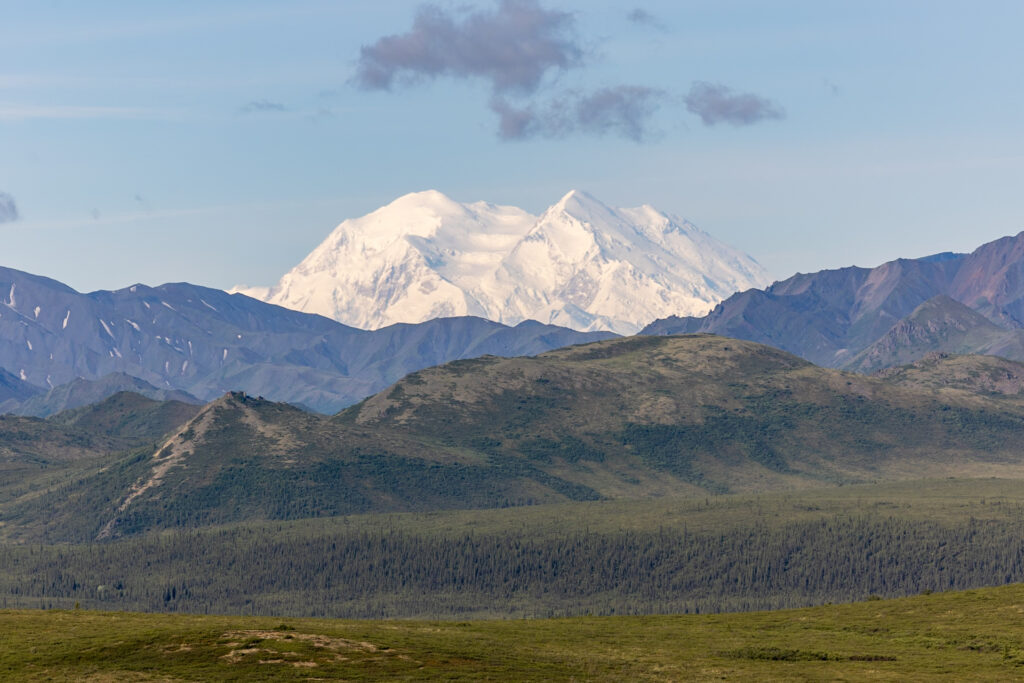
Denali is best known for Mount McKinley (AKA Denali), the tallest peak in North America. While it is the star of the park, summiting Denali is a serious expedition reserved for experienced mountaineers. Fortunately, you don’t need to be a professional climber to experience this park’s incredible landscapes, as Denali offers plenty of other easy-to-moderate-level hikes.
Below, we’ve rounded up our 7 favorite hikes in Denali, ranging from easy walks to more challenging routes. All of these hikes are located in the free shuttle area of the park (up to Mile 15 of Park Road), although there is even more to be explored past this point if you use Denali’s paid bus system.
Be sure to stick around to the end of the article for more Denali travel tips, including the best time to visit, what to pack, and how to get around the park.
1. Savage Alpine Trail
The Savage Alpine Trail was hands-down our favorite hike in Denali and easily the most challenging on this list, but the payoff is huge. This one-way hike delivers epic views of Denali, and the higher you climb, the better those views get. We hiked it ourselves and can confidently say it’s one of the most rewarding ways to see Denali right in front of you.
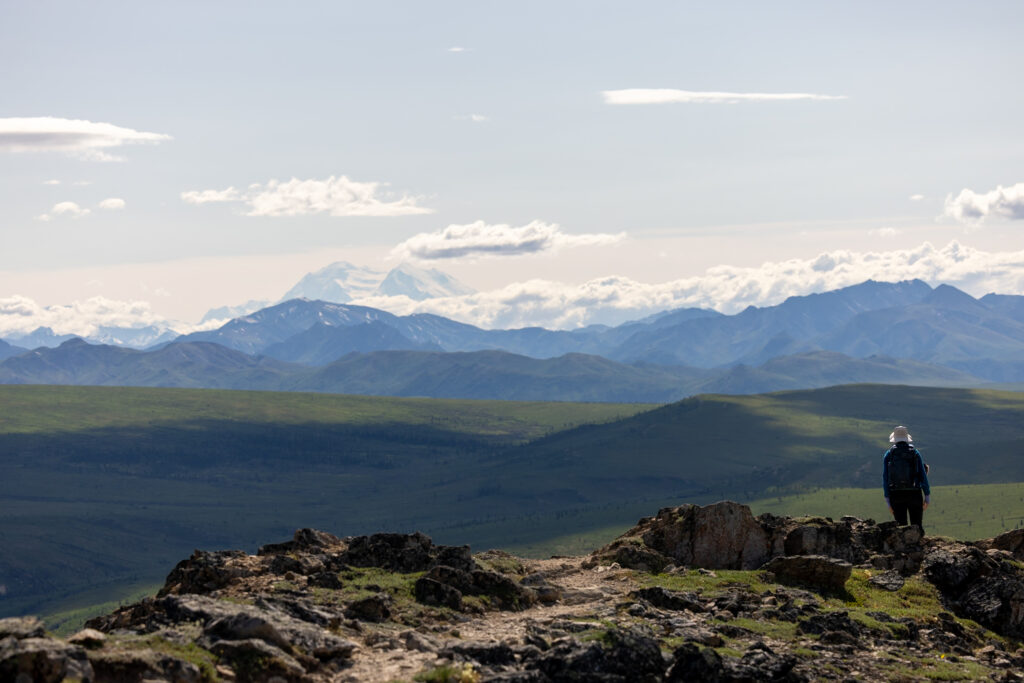
We strongly recommend hiking east to west, starting near Savage Campground (Mile 12) and finishing at Savage River (Mile 15). This direction keeps you hiking toward Denali, meaning the mountain stays in view for much more of the trail.
Hike west to east if you don’t have time to do the full trail (it will get you to the viewpoint quicker, and then you come down the same way), or if you have bad knees, as the eastern side’s incline is more gradual.
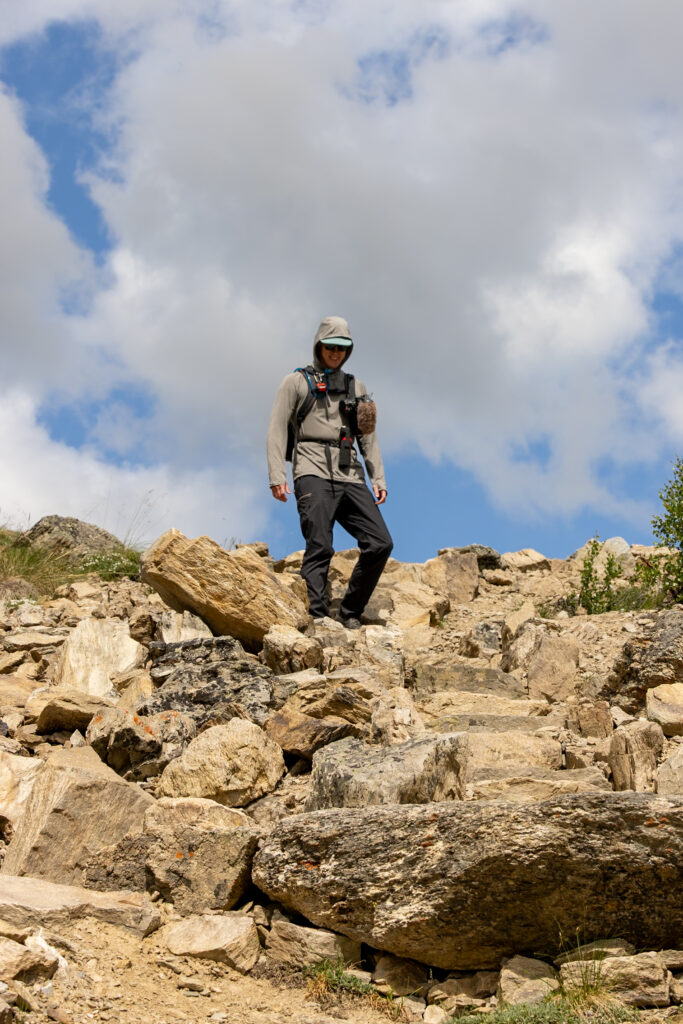
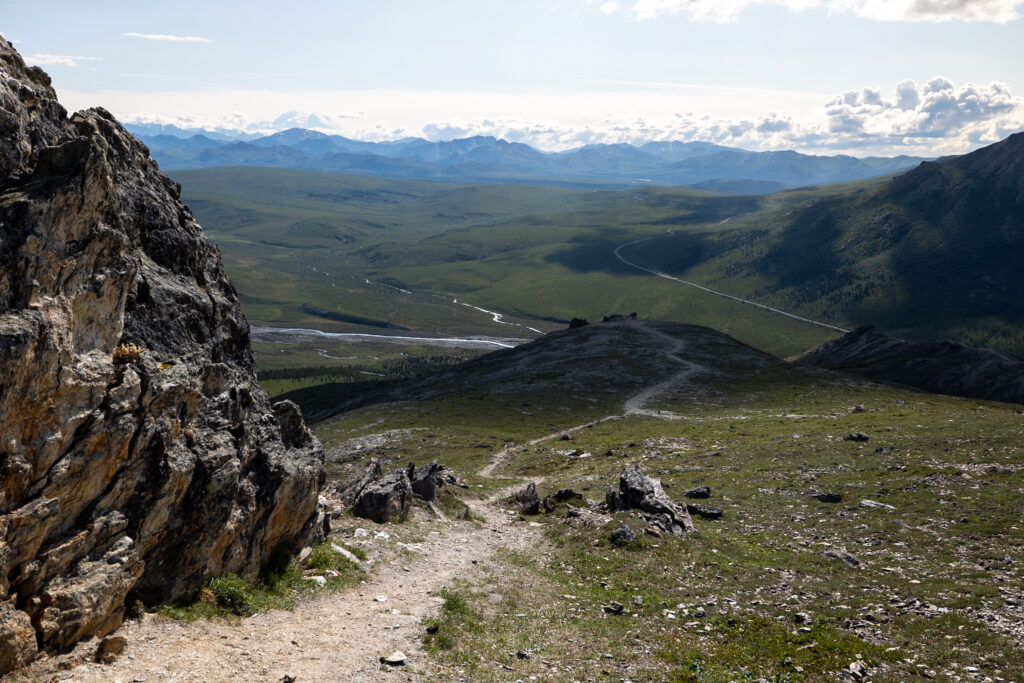
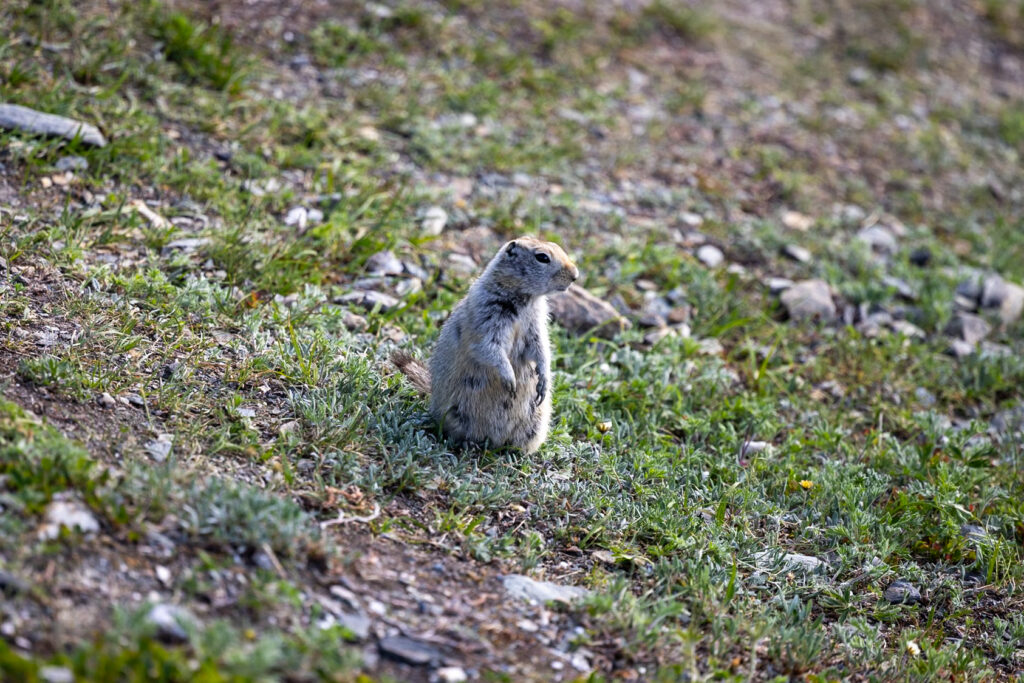
Bring plenty of water (at least 2L per person), snacks or lunch to enjoy at the top, and be prepared for heat and exposure. Along the way, we spotted arctic ground squirrels and a family of ptarmigan. Just remember to leave no trace and never feed wildlife, no matter how cute they are!
🗻 Patience pays off! Visibility can change quickly here, so even if you don’t see Denali at first, keep an eye on the clouds and winds! When we hiked the trail, the clouds were moving fast, so we decided to wait for an hour and ended up with perfect views of the peak.
Difficulty: Hard
Distance: 4.2 miles (6.9 km)
Elevation Gain: 1,463 feet (446 m)
Estimated Time: 3-3.5 hours
Type: Point to point

With offline maps, wrong-turn alerts, and extra planning features, make the most of every outside adventure with AllTrails Plus. Get 7 days of AllTrails Plus for free!
2. Horseshoe Lake Trail
The Horseshoe Lake Trail is the #1 top-rated hike in Denali on AllTrails as it’s relatively short, is known for wildlife activity, and is located super close to the park entrance. We highly recommend hiking this trail early in the morning, when crowds are lighter, and wildlife is most active.
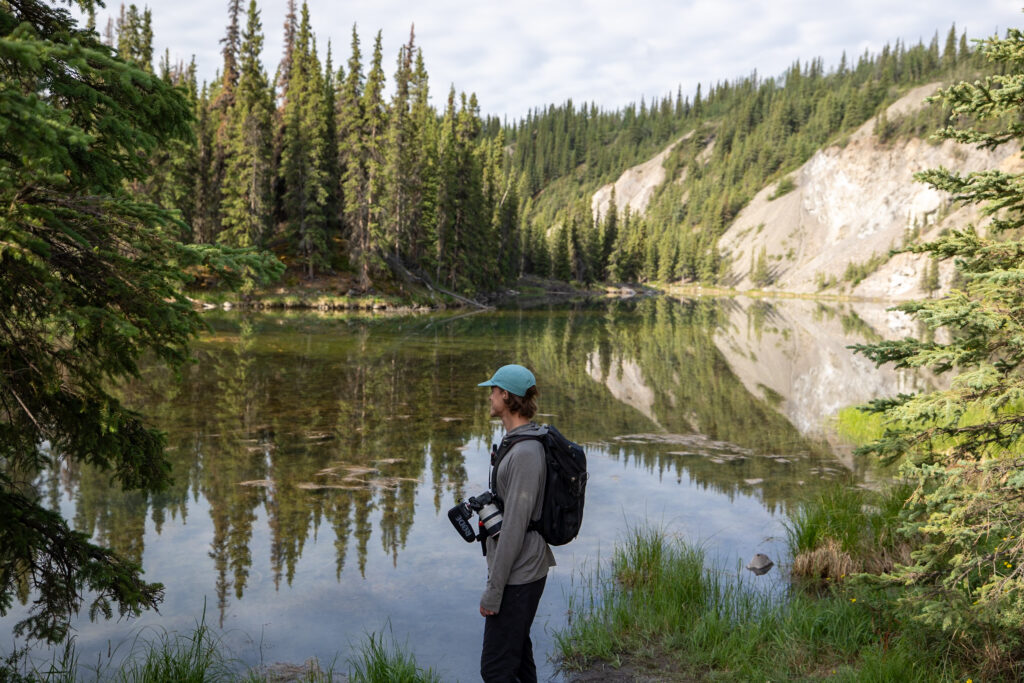
This trail offers a little bit of everything Denali is known for: waterside views, active wildlife, and a variety of scenery. We were lucky enough to spot two adult moose and a calf during our time on the trail! Horseshoe Lake itself is stunning, with clear reflections of the surrounding sky and forest on calm days.
📌 Pin this post
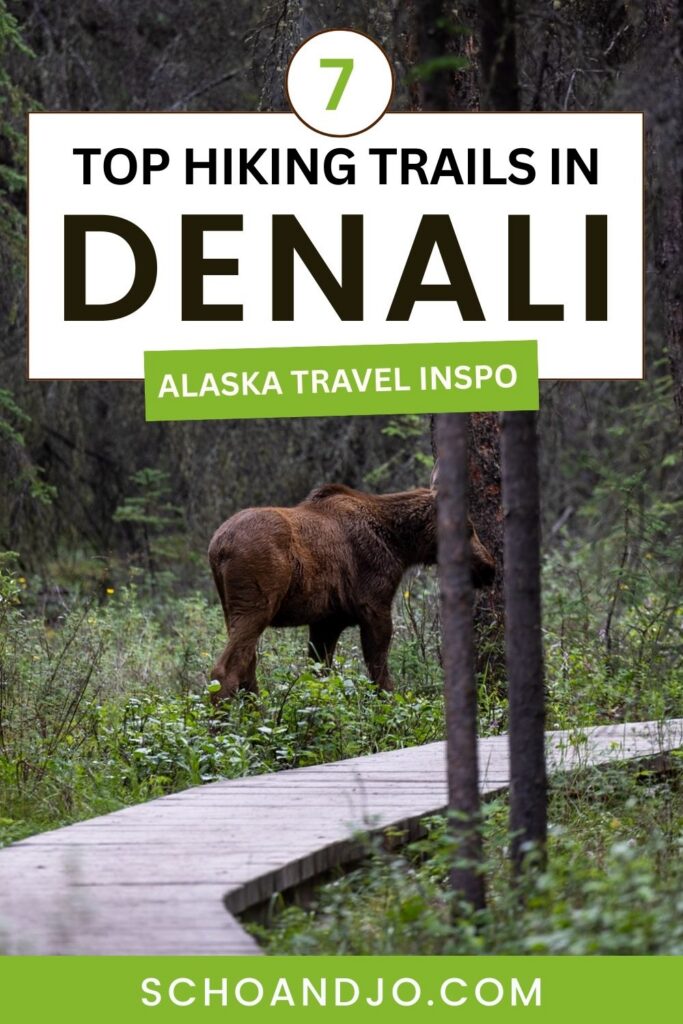
Pin this guide to the best hikes in Denali to make your upcoming trip a breeze to plan!
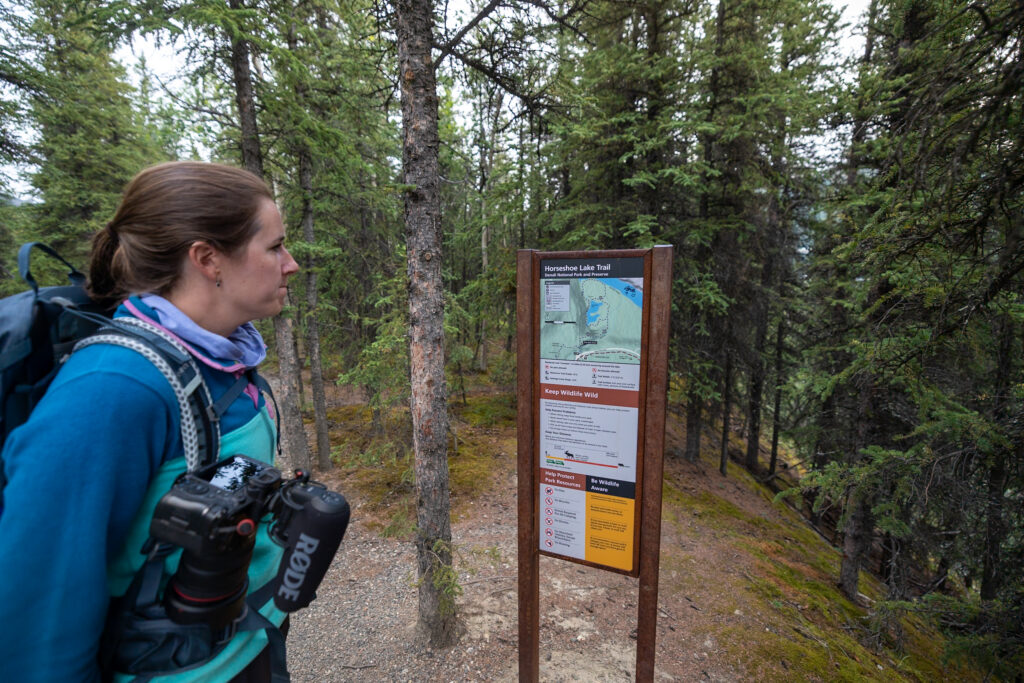
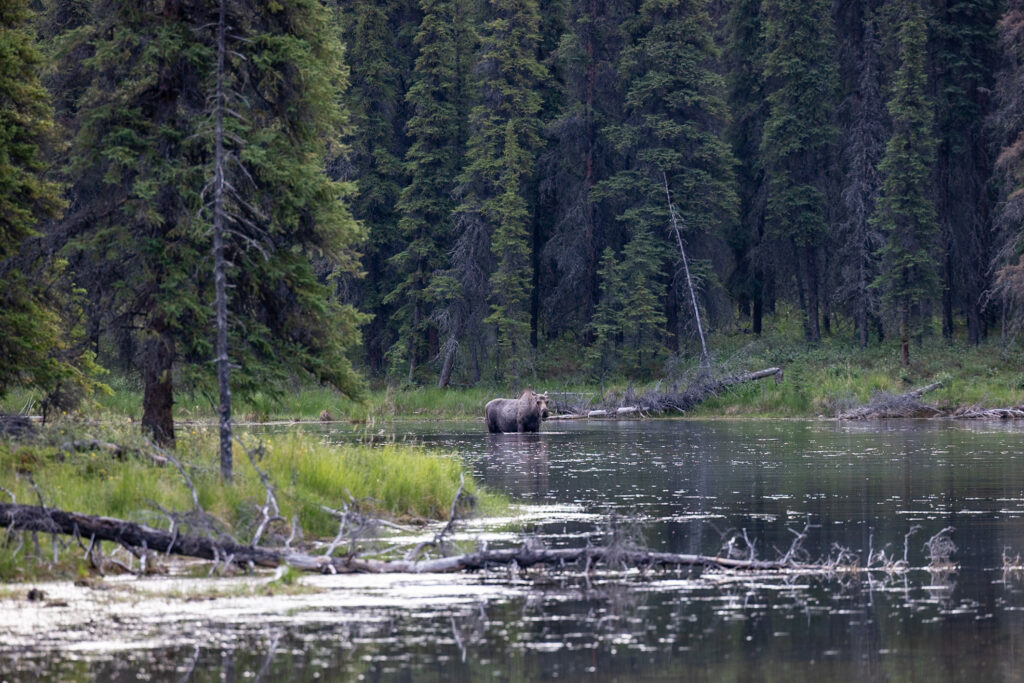
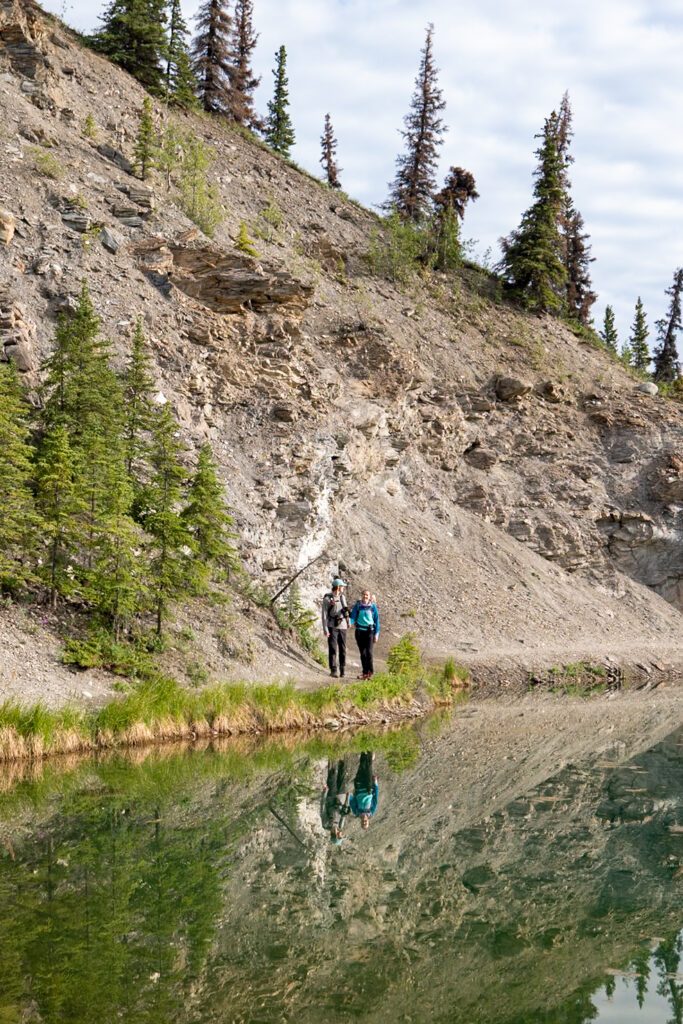
This route also takes you past two beaver dams and gives access to the rushing Nenana River. All this to say, we strongly recommend this hike to anyone who’s able to tackle it!
Difficulty: Moderate
Distance: 2.2 miles (3.5 km)
Elevation Gain: 410 feet (125 m)
Estimated Time: 1-1.5 hours
Type: Loop
3. Discovery Hike (Changes Daily)
The Denali Discovery Hike was one of our favorite experiences in the park. Unlike most national parks, Denali’s backcountry has no established trails, and visitors are encouraged to explore off-trail. For those (like us) who aren’t 100% comfortable yet with navigating the wilderness alone, the park offers a daily ranger-led Discovery Hike on a backcountry route. Expect this to be an all-day commitment, with several hours spent hiking, learning, and stopping for discussions and lunch.
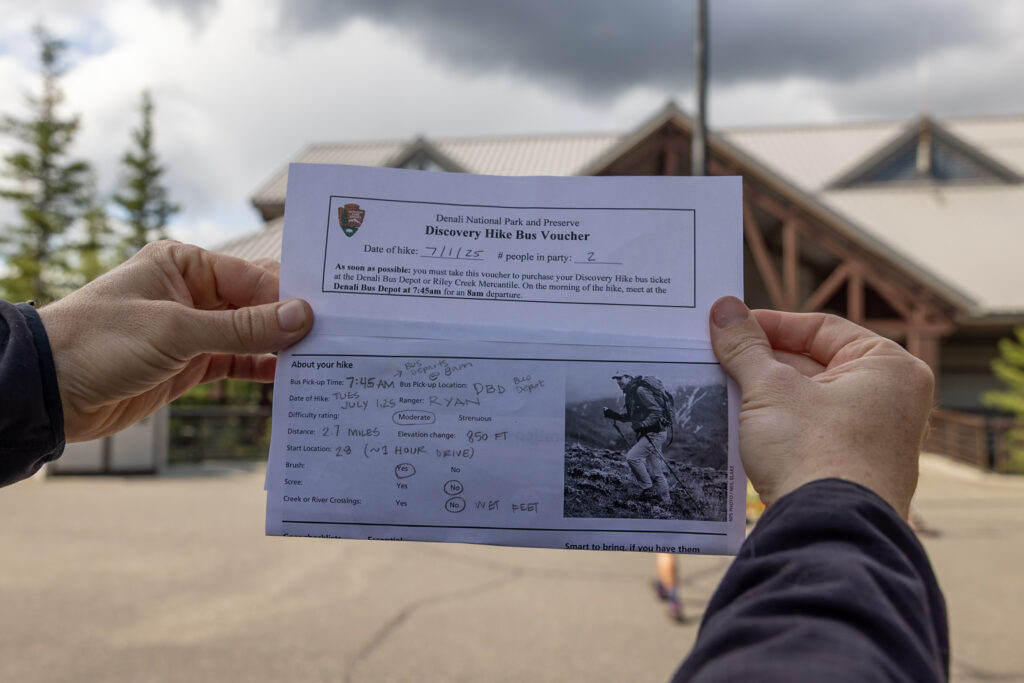
Our hike with Ranger Ryan began around mile 28 of the Park Road. We spent roughly five hours off-trail, navigating brush, mossy tundra, kettle lakes, and a challenging hill summit before slogging through a final boggy section back to the road. Ranger Ryan guided us through Leave No Trace principles, taught us about plant identification, and even shared some poetry along the way.
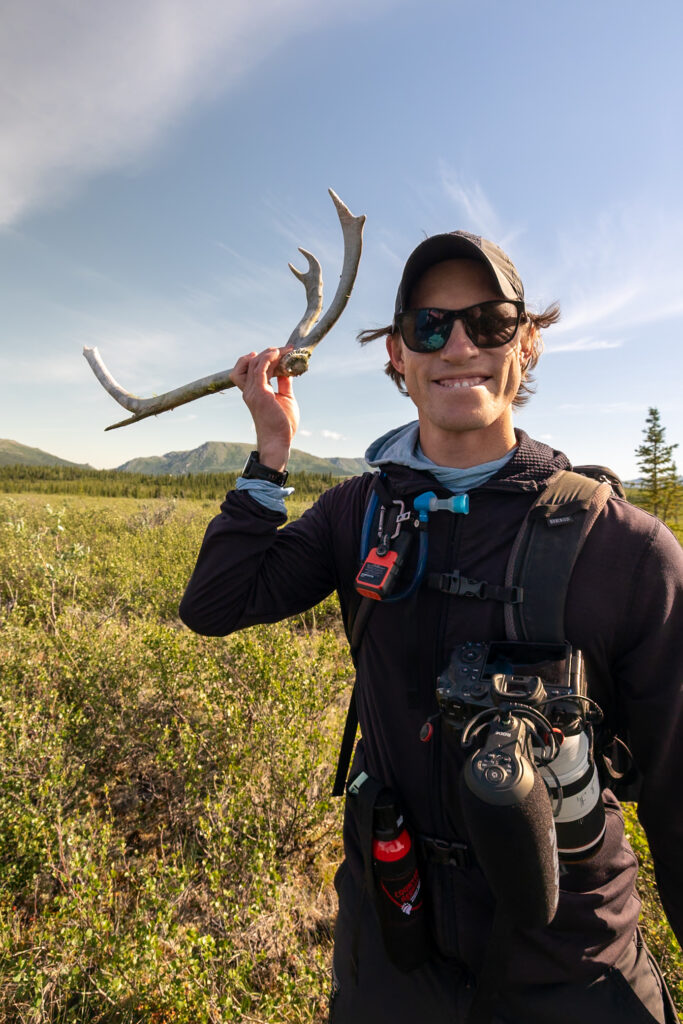
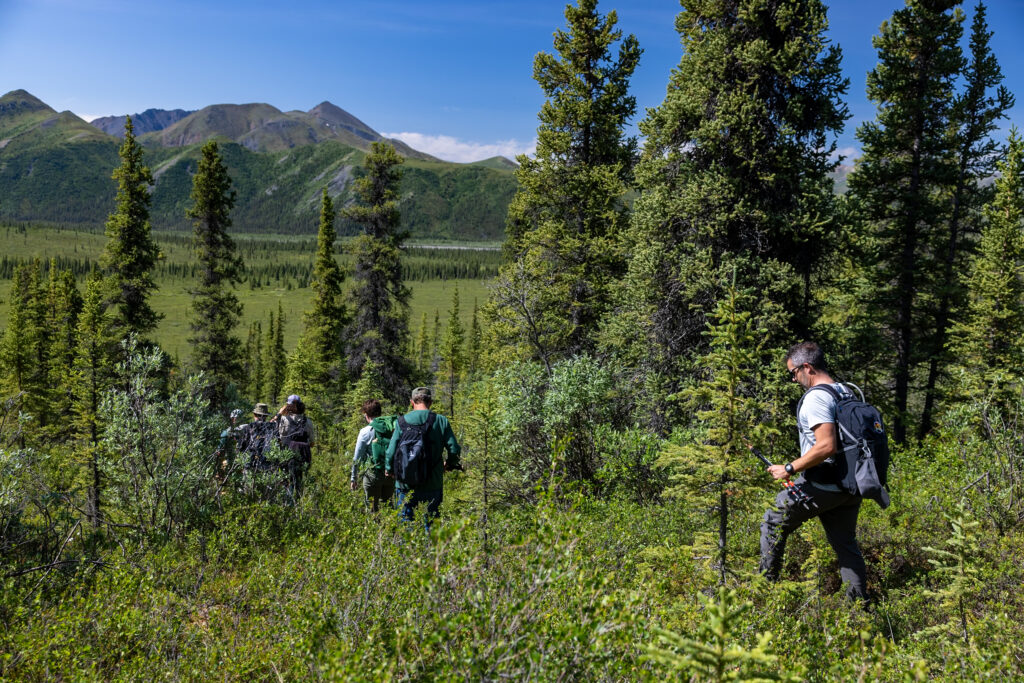
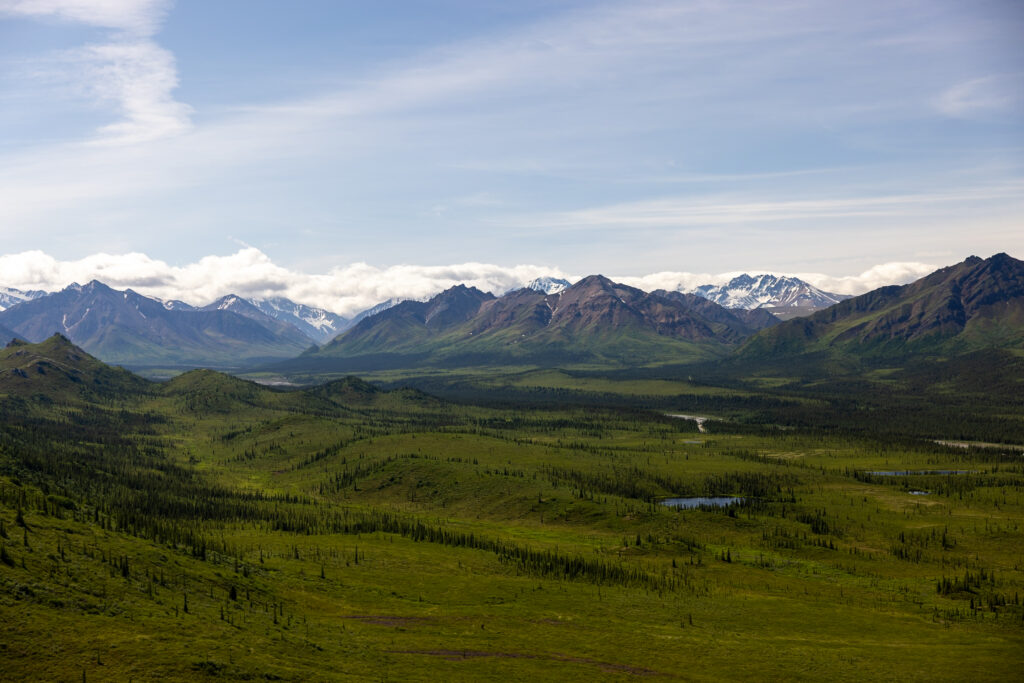
And while the terrain was demanding and definitely not suitable for someone with mobility difficulties, the shared challenge quickly created a strong sense of camaraderie. Overall, this experience gave us a far deeper connection to Denali than any of the other trails we hiked by ourselves. If you want to truly understand what is so special about Denali’s backcountry, a Discovery Hike is hard to beat!
🎟️ Want to sign up? Hop over to our article all about Denali Discovery Hikes for all the sign-up details, how to reserve a bus ticket, and more about our experience!
If you don’t score a spot on the ranger-guided discovery hike, everyone is able to do their own discovery hike. It’s recommended to plan for less mileage than you might be used to on a typical hike to account for the difficulty of hiking through boggy sections, brush, and mossy tundra.
We lucked out and had dry feet in our experience, since the landscape is typically wet, causing wet feet. It’s recommended to bring an extra pair of shoes in your backpack for the bus ride back to the front of the park.
Difficulty: Moderate to Strenuous
Distance: Varies
Elevation Gain: Varies
Estimated Time: 5 to 7 Hours (including transit)
Type: Varies
4. Savage River Loop Trail
The Savage River Loop was our fourth favorite hike in Denali and one of the most accessible. Located at Mile 15, it’s the final stop on the free shuttle route (link to article) and the farthest point you can reach by car, which can cause it to get busy at times. Because the trail is mostly easy to moderate, it’s a great option for hikers of all experience levels.
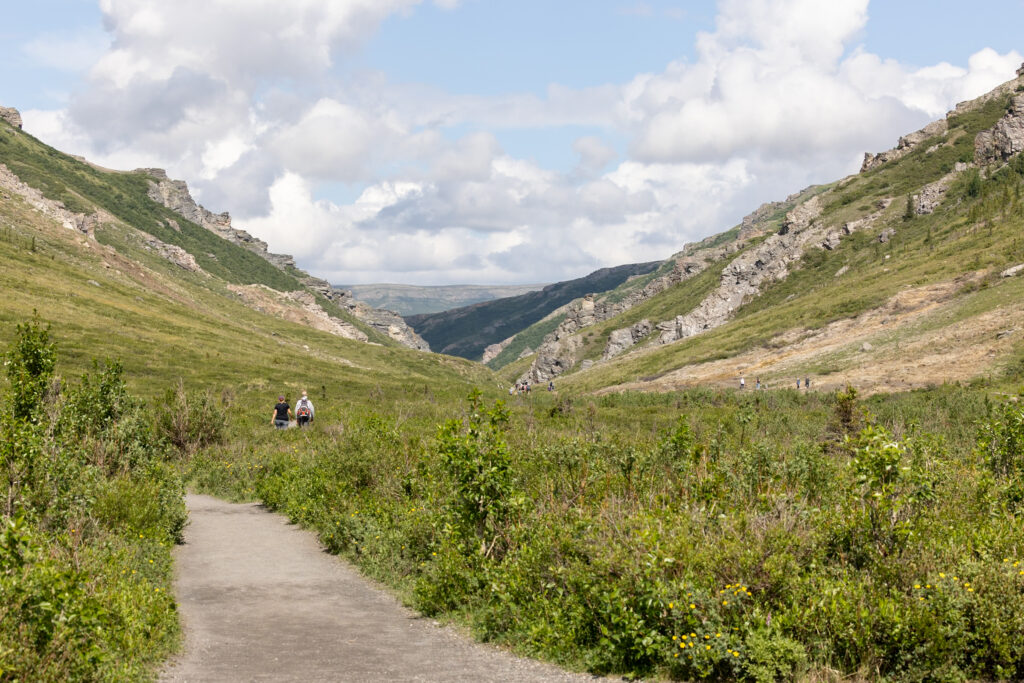
The loop follows the braided Savage River, with rushing water, open views, and ongoing wildlife activity. During our hike, we spotted numerous birds, several Arctic ground squirrels, and even the state bird of Alaska, the ptarmigan. While we didn’t see caribou ourselves, this is one of the most common places in the park where hikers do.
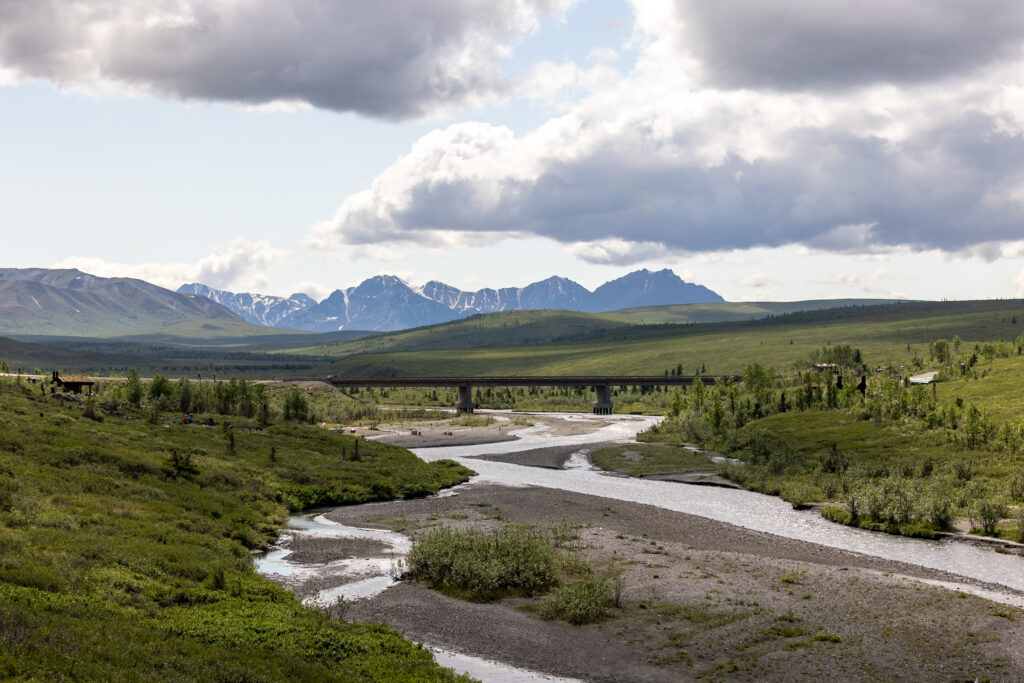
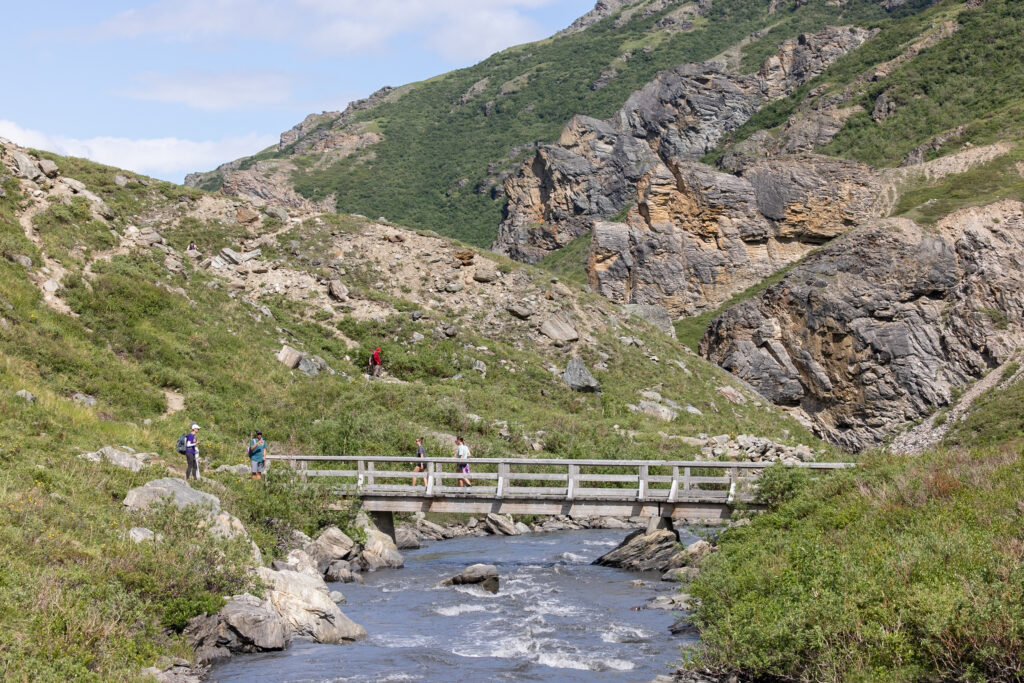
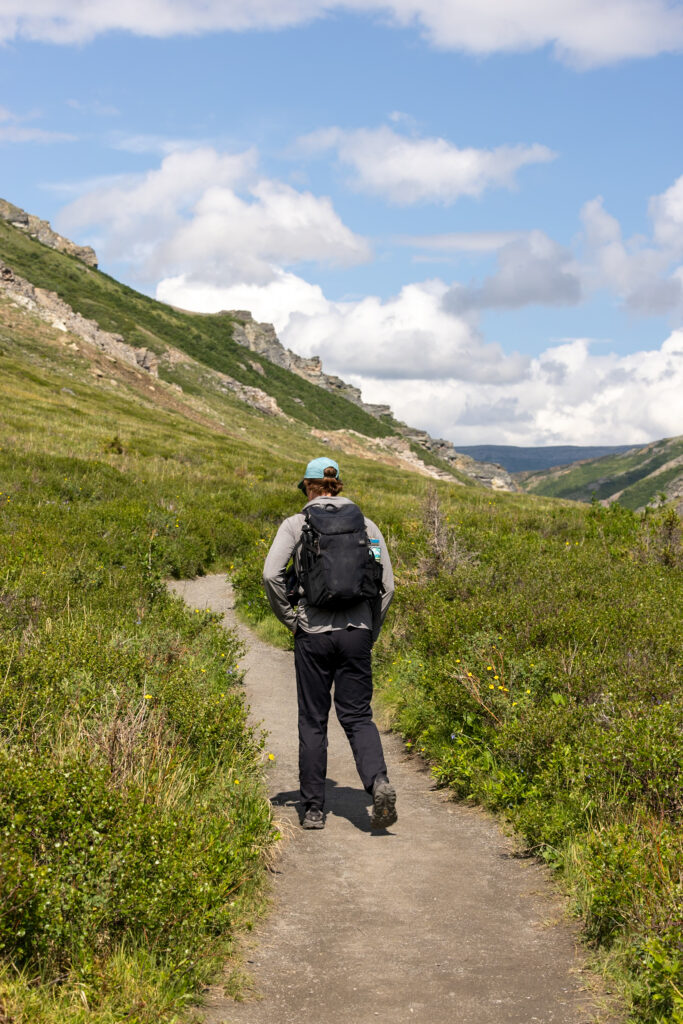
The trail forms a complete loop and ends with a pedestrian bridge crossing to the opposite side of the river. We actually tacked this hike onto our Savage Alpine Trail day since the trailheads connect at the eastern end of the loop, which made for a perfect pairing. Between the sound of the river and the views of the mountains beside you, this ended up being one of the most peaceful walks we experienced in the park.
Difficulty: Easy
Distance: 2.2 miles (3.5 km)
Elevation Gain: 564 feet (172 m)
Estimated Time: 1-1.5 hours
Type: Loop
With offline maps, wrong-turn alerts, and extra planning features, make the most of every outside adventure with AllTrails Plus. Get 7 days of AllTrails Plus for free!
5. Mount Healy Overlook Trail
Located right off the Denali Visitor Center parking lot, the Mount Healy Overlook Trail is easy to access and offers incredible payoff in views, which explains why it’s the second most-hiked trail in the park. We hiked it ourselves and found it to be a challenging but rewarding climb with sweeping scenery almost the entire way up.
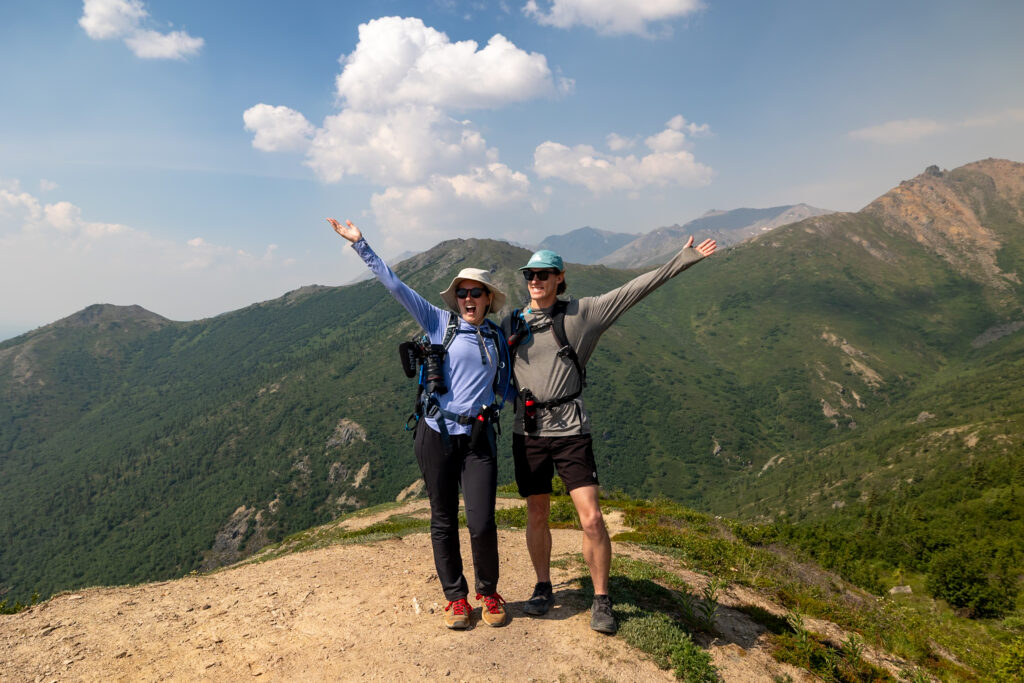
Expect a steady workout with this one as the trail climbs over 1,700 feet in just over 2.5 miles to the main viewpoint, before making its way back down. Along the way, you’ll get expansive views of the Nenana River, the visitor center below, and deep into the park. Much of the trail is exposed, so sun protection is essential. We recommend a UV shirt and at least 2 liters of water per person.
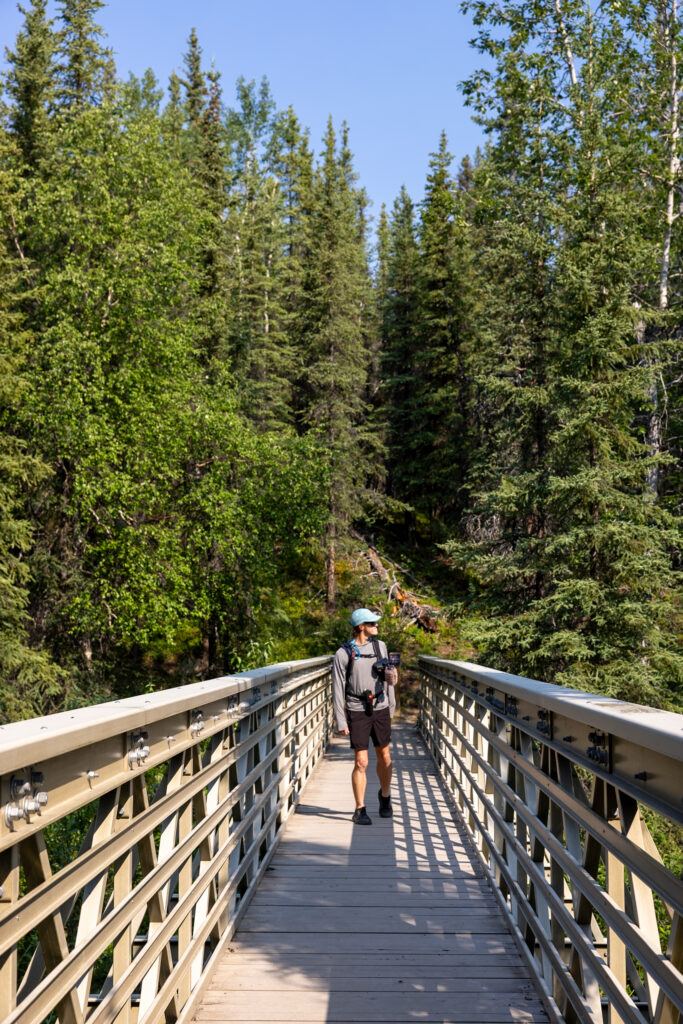
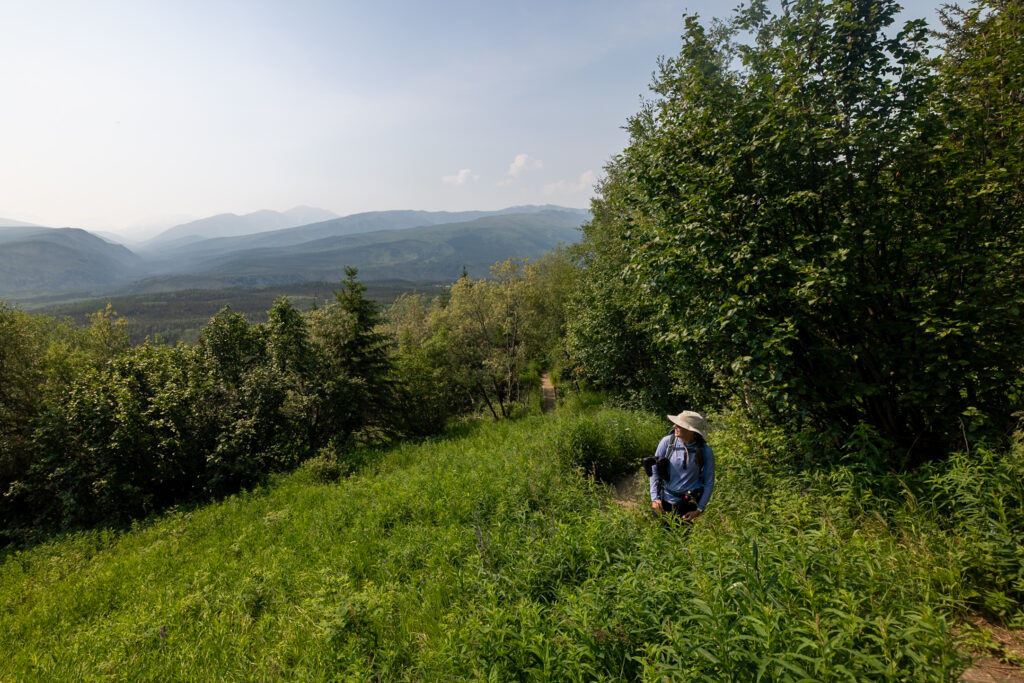
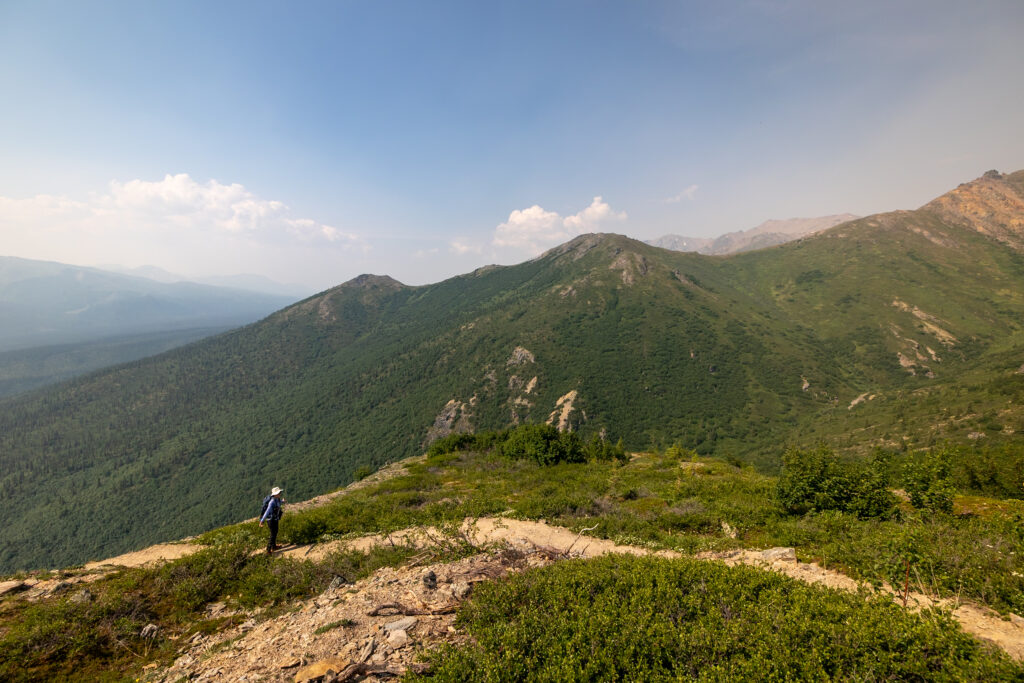
The maintained trail officially ends at the main viewpoint, where we saw plenty of hikers taking a well-earned break. From here, you can continue to a secondary viewpoint if you’d like, though this section is unmaintained. At the top, we spotted a few Arctic ground squirrels, which became some of our favorite animals in the park!
Difficulty: Hard
Distance: 4.9 miles (7.9 km)
Elevation Gain: 1,726 feet (526 m)
Estimated Time: 3.5-4 hours
Type: Out-and-back
6. Mountain Vista Trail
The Mountain Vista Trail is a short, easy walk and a convenient first stop when driving into Denali. This trail is known as the first spot in the park where Denali comes into view on a clear day, often visible right from the walk out!
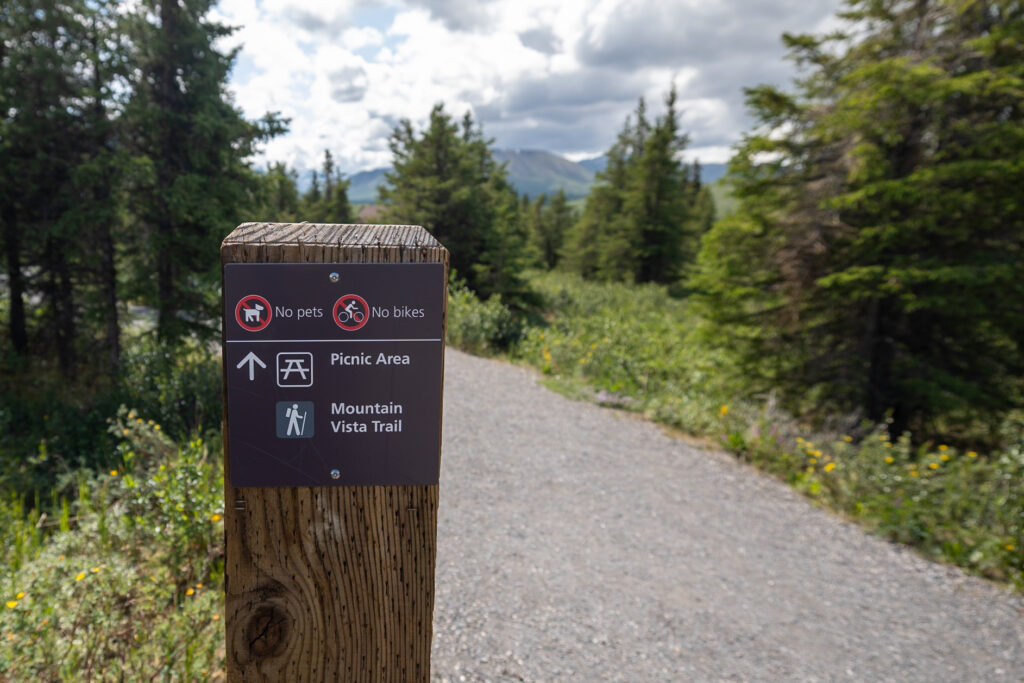
The trail itself is short and mostly flat, with connectors leading toward the Savage River Campground, and features informational signs about the historic Savage River settlement. If you’re short on time or just want an easy introduction to Denali’s landscapes, this trail is a great option. Unfortunately, we didn’t get lucky enough to get a view of Denali during our hike on the Mountain Vista trail.
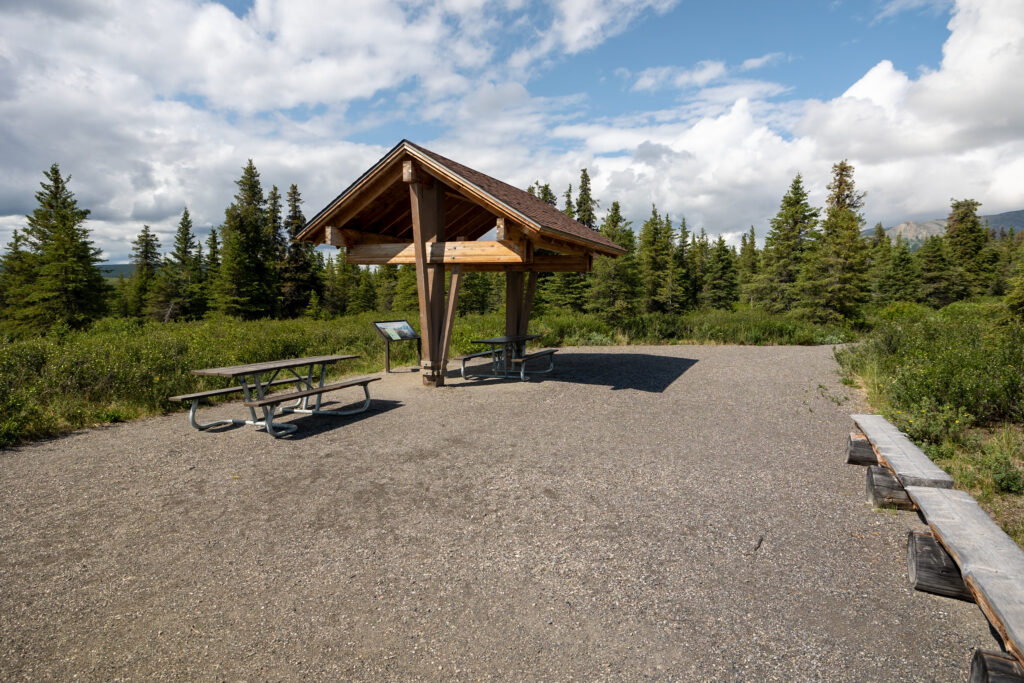
It’s also the last parking area recommended for vehicles over 20 feet long, as rangers advise larger vehicles not continue to Savage River (though we felt that those under ~22 feet may be okay). The area is also a stop for the free park shuttle and has picnic tables and restrooms, making it a convenient place to take a break. Just note that parking can be tight during peak hours (10 am to 2 pm).
Difficulty: Easy
Distance: 0.7 miles (1.1 km)
Elevation Gain: 82 feet (25 m)
Estimated Time: 0.5-1 hour
Type: Loop
7. Roadside Hiking Trail
The Roadside Hiking Trail is unique in Denali as the only dog-friendly trail in the park, which made it an easy win for us—Ollie loved it! The trail runs from just outside the park entrance all the way to Park Headquarters, where Denali’s famous sled dogs live, and is wide, mostly flat, and partially paved, making it suitable for bikes as well.
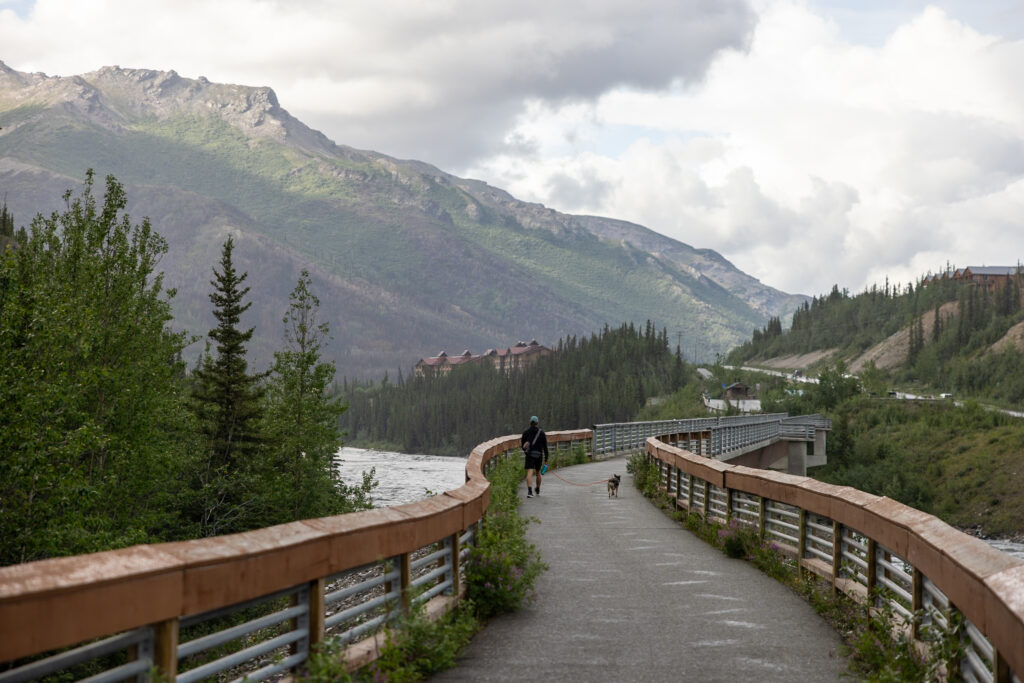
This trail works best as a connector rather than a destination hike, linking together many of the park’s busiest areas. These include Denali Park (the town), the park entrance sign, Riley Creek Campground, the Visitor Center, and Park Headquarters.
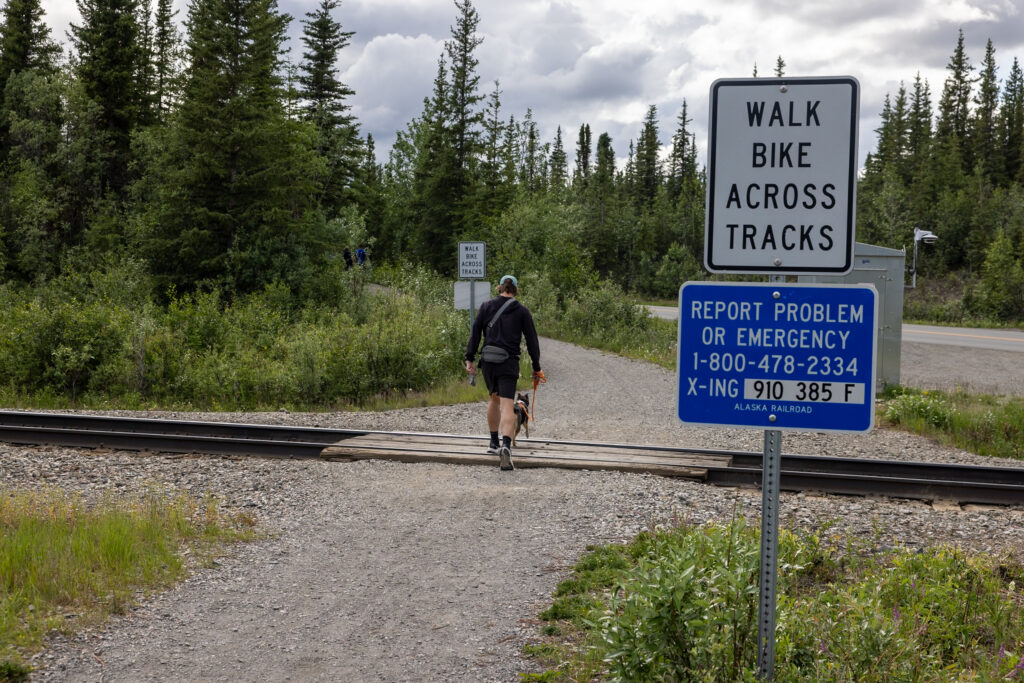
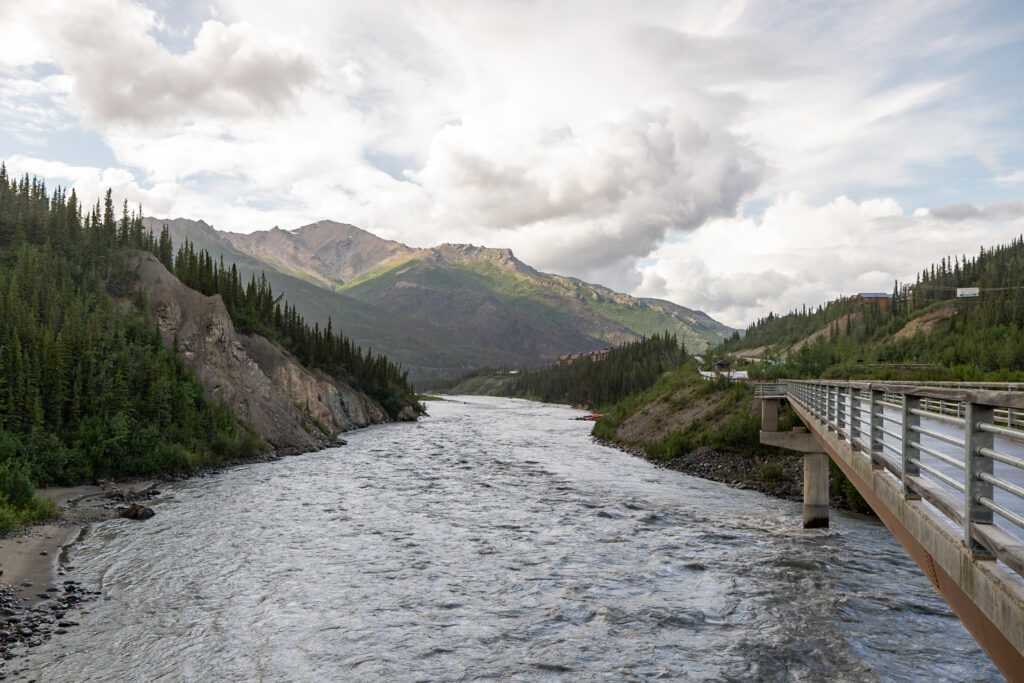
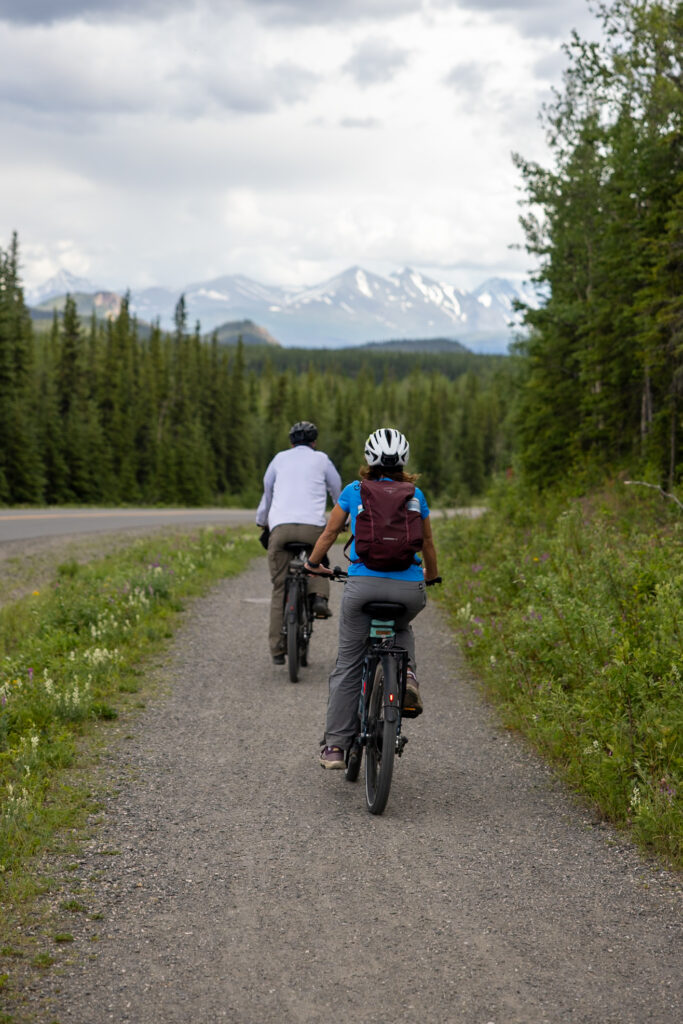
Unless you’re traveling with a dog, looking to bike in the park, or simply need an easy way to get from point A to point B, we wouldn’t recommend this as a must-do hike, but it’s incredibly useful for getting around without a car. Also, we spotted a moose while on it near Horseshoe Lake, so you might even see wildlife!
Difficulty: Moderate
Distance: 4.4 miles (7.1 km)
Elevation Gain: 837 feet (255 m)
Estimated Time: 2-2.5 hours
Type: Out-and-back
With offline maps, wrong-turn alerts, and extra planning features, make the most of every outside adventure with AllTrails Plus. Get 7 days of AllTrails Plus for free!
🗺️ Map of 7 Best Hikes in Denali National Park
How to use this map: We have saved the locations from this guide on this map. You can save this map to your Google Maps by pressing the star icon. In your Google Maps, click the menu icon and then Saved Maps, where this map will appear.
🌤️ When To Visit Denali National Park
Denali National Park is most popular during the summer months, when the park road is open, and bus services are running. Your experience can vary a lot depending on the season, from long daylight hours and wildlife sightings to quieter, more limited access.
- Summer (June to August): Peak season with the best weather, full bus service, abundant wildlife, and extremely long daylight hours.
- Late Spring (May to early June): Fewer crowds and lingering snow, with bus services starting to run mid-May.
- Fall (September): Cooler temperatures, fall colors, fewer bugs, and lighter crowds. Buses tend to stop running in the second half of the month.
- Winter (October to April): Very limited access, no park road buses, and extreme cold, best for experienced winter travelers. During this time, only the first 3 miles of the road are open for personal vehicles.
“Summer is an illusion. Winter is the reality.” -Denali National Park Ranger
🎒 Packing Essentials for Denali National Park
Below, we’ve outlined all the hiking gear we recommend if you plan on hitting the trails in Denali National Park during the summer season. In this first section, we’ve highlighted specific pieces that you might need to purchase or rent if it’s your first time visiting the area.
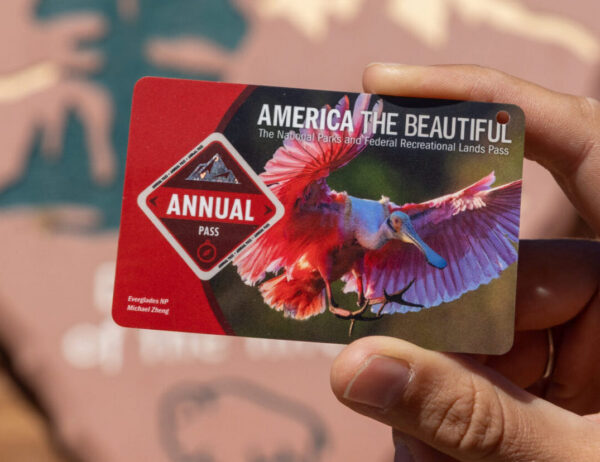
🎫 Consider investing in the America the Beautiful pass for $80 like we did if you’re planning on travelling to several parks within the year.
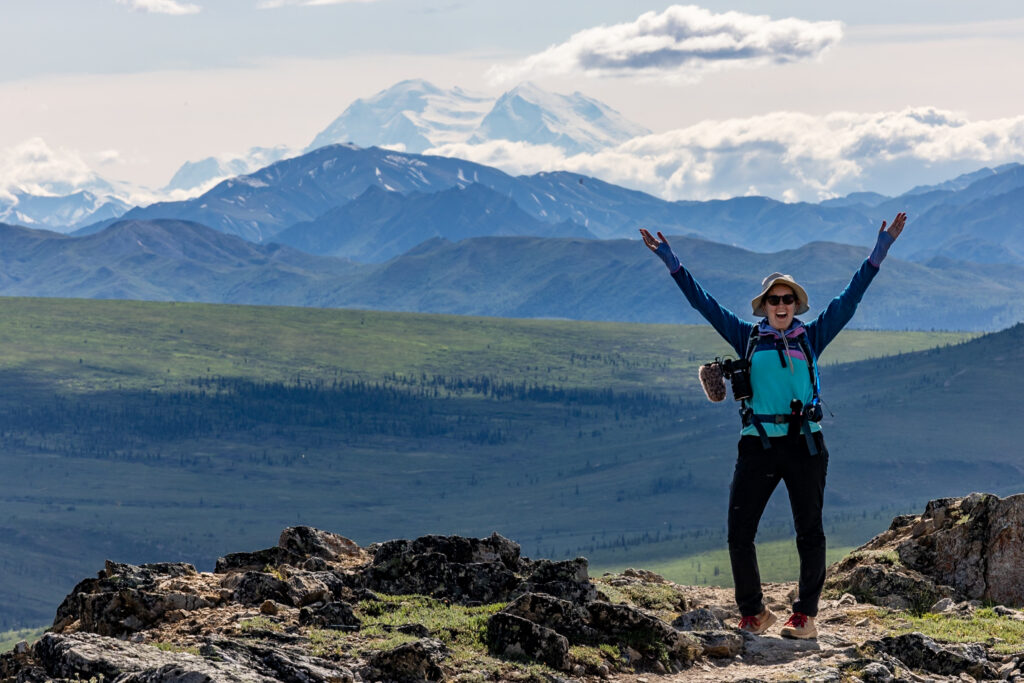
Alaskan Hiking Essentials
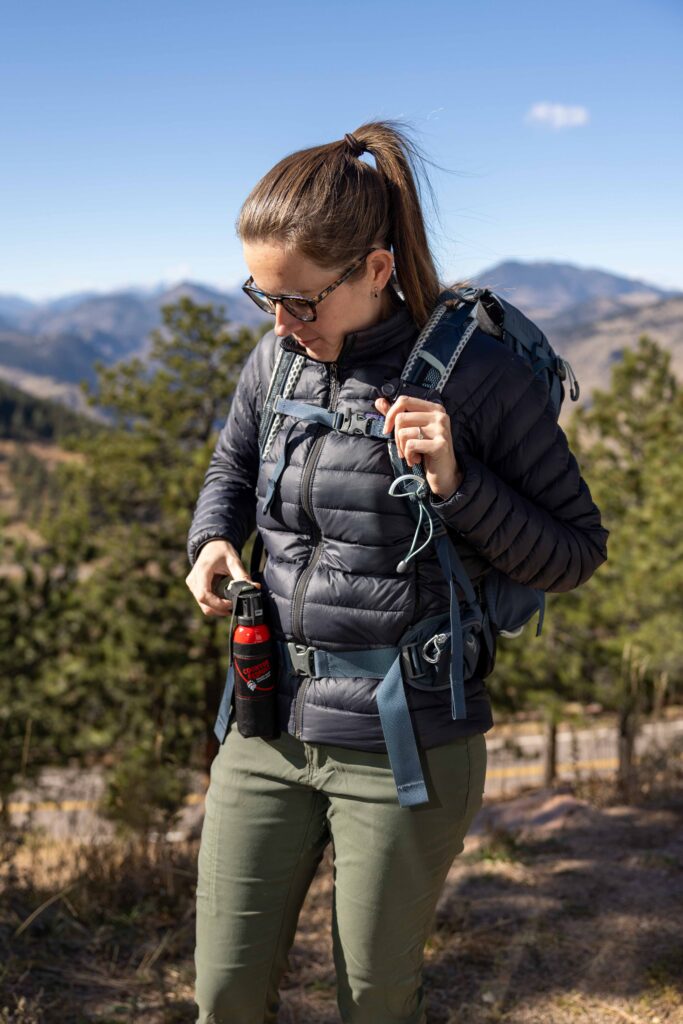
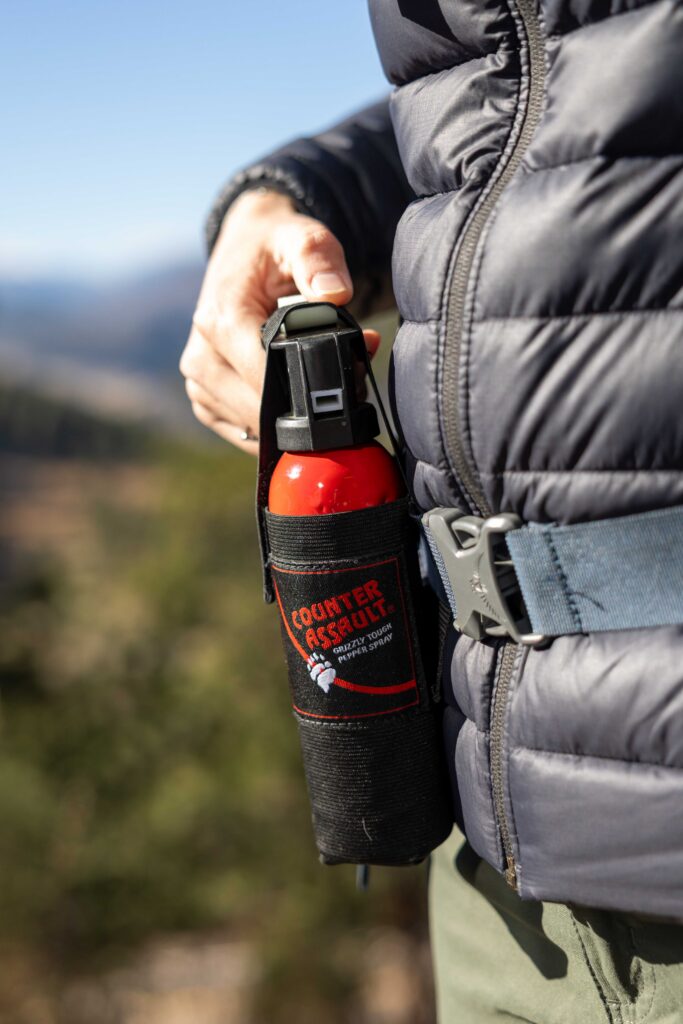
- Bear Spray – Park officials recommend hiking with bear spray for emergency use, as well as becoming familiar with bear safety practices.
- Microspikes – Microspikes can be attached to the bottom of your hiking shoes to improve traction when hiking over snow and/or ice. If you’re planning to hike in areas with ice and snow in the summer or at any point in the winter, microspikes will become your best friend.
- Hiking poles – Especially on long, high-elevation hikes, a solid pair of hiking poles really helps take the pressure off of joints.
🐻 Rent Bear Spray! If you want to save some money, you can rent bear spray in Anchorage at a spot like Alaska Bear Spray Rental instead of buying a whole canister, or from the Backcountry Information Center (BIC) near the park entrance and at the Alaska Geographic store next to the Visitor Center. Also, if you plan on flying at any point, you’ll have to dispose of your bear spray anyway.
Hiking Essentials
Read next: Hiking Gear for Beginners!
Sun Protection
Safety Essentials
📰 Related Articles
- Denali National Park Buses: Everything You Need to Know
- 11 Best Things to Do in Denali National Park (Free & Paid)
- Denali Discovery Hike: What It Is, How to Book, & What to Expect
- What to Bring to Denali National Park: Ultimate Packing List
- How to See Denali in 1 to 3 Days: Itinerary & Ultimate Guide
📺 Watch on YouTube
📌 Pin this post
Pin this guide to the best hikes in Denali to make your upcoming trip a breeze to plan!



Leave a Reply
You must be logged in to post a comment.